Building Product Design at Shanghai Disney Resort
Organization · Leadership · Culture
From “we're only visual designers” to product partners - how I grew a three-person visual design team into a multidisciplinary Product Design & Research organization.
When I joined Shanghai Disney Resort in 2021, the digital team was deep into the largest product initiative it had taken on: a major redesign of the resort app.
The team had already spent months gathering requirements and exploring concepts. Two designers were dedicated to the redesign, while a third supported ongoing maintenance work. Their backlog had grown to 100+ items, and the team felt they had almost no capacity left.
What concerned me more than the workload was what sat underneath it.
The designers showed me hundreds of previous concepts that had never moved forward. User research was frequently discussed, but there was no established research practice or dedicated researcher. They were frustrated with engineering because implementation often differed from the designs. And the designers themselves saw their role primarily as visual execution.
I had joined to lead Design, but I quickly realized that the challenge wasn't simply to improve the work.
We needed to change how Design worked.
And we had to do it while shipping.
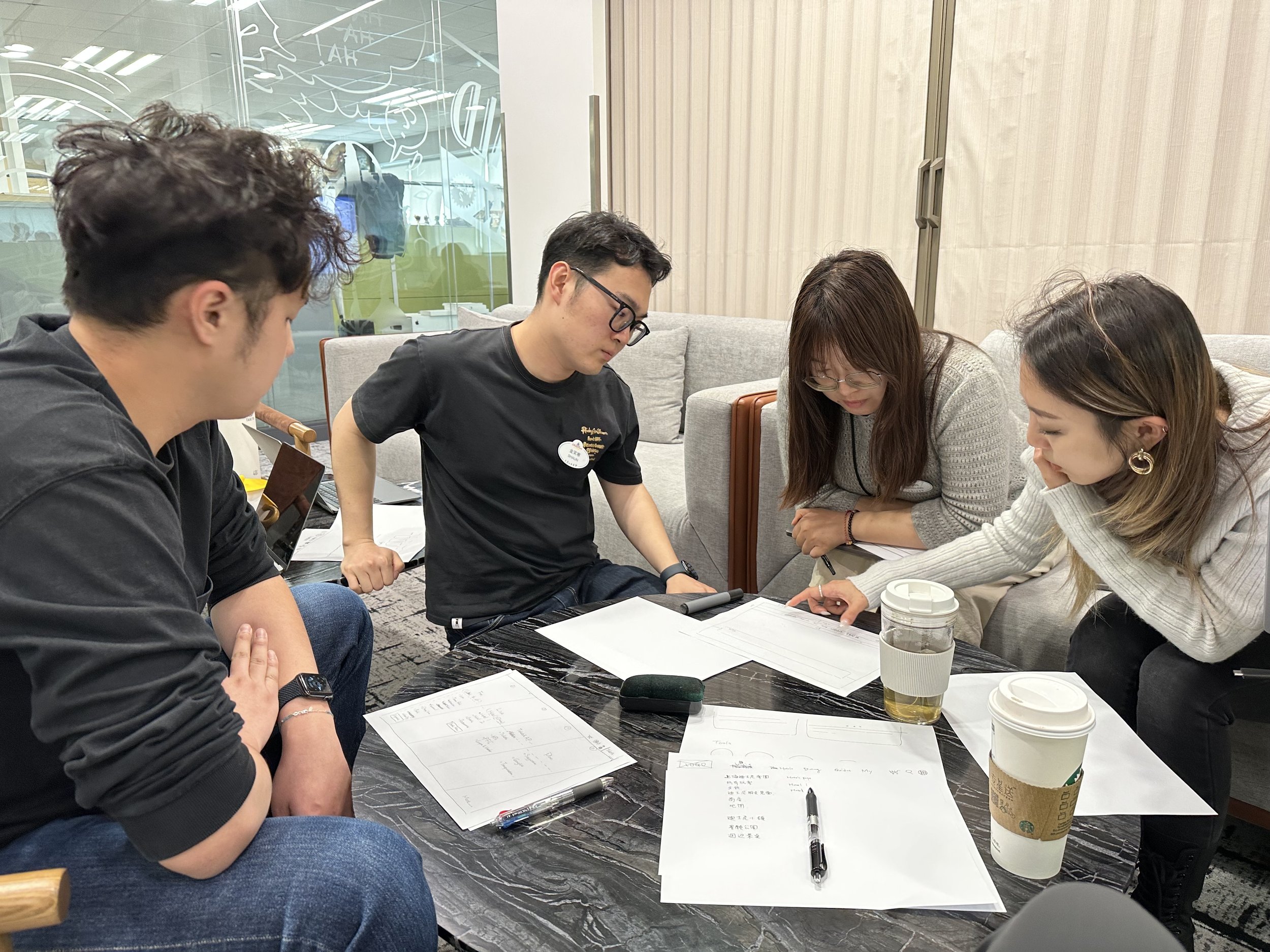
Designers became more confident decision-makers—and trusted partners to Product and Engineering.
Start with the most urgent problem
There were problems everywhere: some small and tactical, others deeply organizational. Trying to fix everything at once would have slowed the team down even further.
During my first year, I checked in frequently with the Director of Digital Product to align on priorities and make sure I was investing my time in the areas that mattered most.
Our first priority was clear:
Get the app redesign moving again.
The team had spent so much time exploring that we needed to begin making decisions and get the product into development.
That immediately surfaced a more fundamental issue.
Expanding the role of Design
When I asked the designers to start thinking through the end-to-end experience, they pushed back.
They told me:
“We are visual designers. UX isn't our responsibility.”
That mindset helped explain why the team had produced so many concepts without finding a solution everyone felt confident moving forward with. The team was responding to individual requests visually, but no one was stepping back to connect requirements into a coherent user experience.
Instead of telling the designers that their role had changed, I worked alongside them.
I revisited the product requirements, spoke directly with stakeholders to uncover needs that weren't captured in the documentation, and sat down with the two designers to map the experience together. We created the team's first UX proposal for the redesign.
For the first time in months, the designers felt they were working on something that made sense as an experience—not simply another visual concept.
But a week later, they came back to me with another concern.
They felt uncomfortable that they were now “making product decisions.”
That became an important coaching moment.
I explained that our job wasn't to make decisions on behalf of Product. Our job was to bring the user's perspective into the conversation.
A design proposal wasn't the answer.
It was a way to make the problem tangible so Product, Design, and Engineering could decide together what mattered most.
That distinction gradually changed how the designers thought about their role.
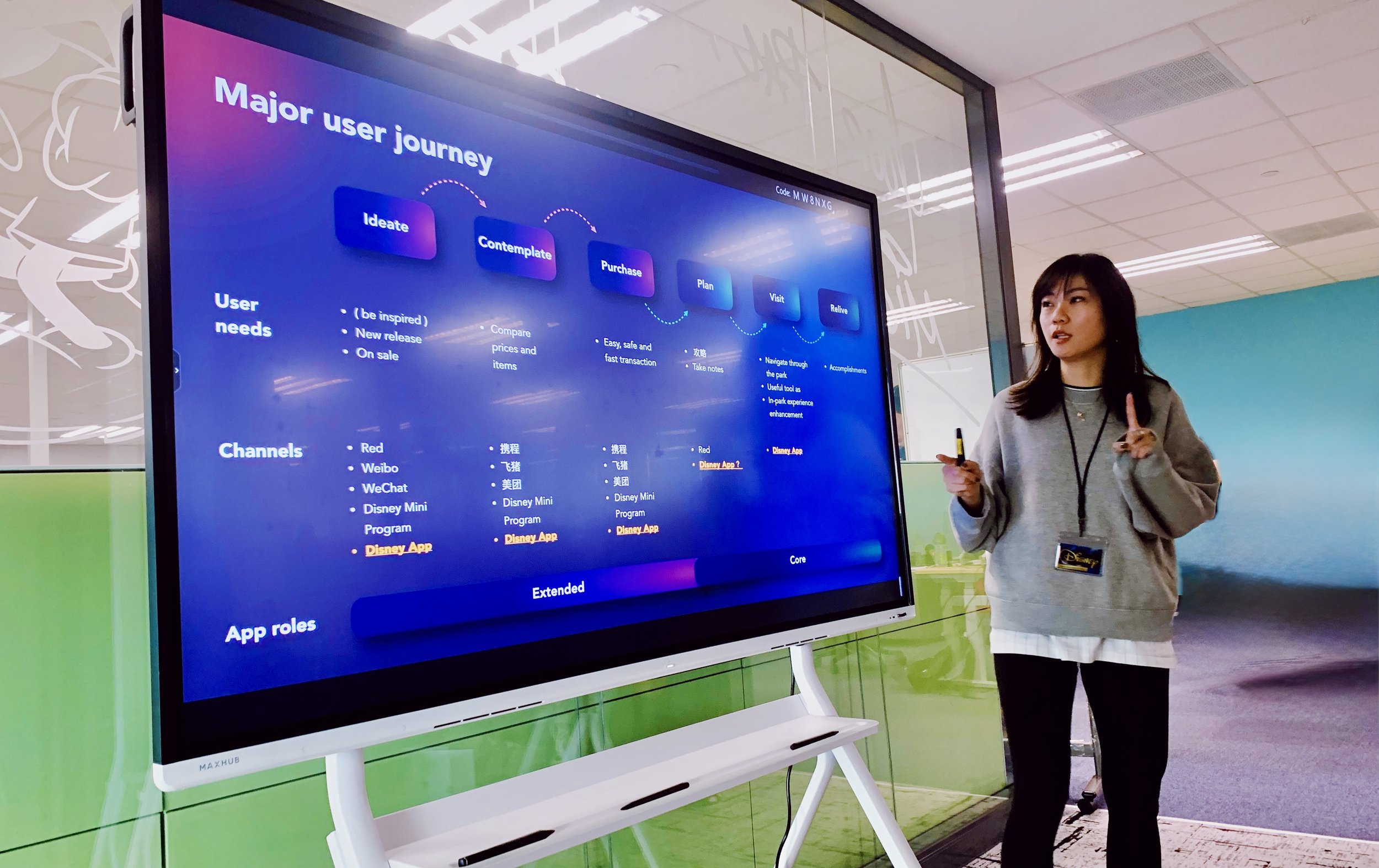
Aligning the team around major user journeys—so we could solve the right problems, not just individual screens.
Build capability while delivering
Working side by side with two designers helped move the redesign forward, but it wasn't scalable.
I also knew the team was missing certain capabilities. As I began hiring, I deliberately looked for designers who could complement the existing team's visual strengths with stronger UX, interaction design, and design-thinking skills.
At the same time, I started introducing basic team rituals.
Even when we were only four people, we began holding:
Weekly team meetings to create visibility across projects and challenges.
Regular design critiques to strengthen the work before designers returned to their cross-functional teams.
The first critiques were awkward.
Everyone was extremely polite. Designers would present their work, and their peers would mostly tell them what looked good.
It wasn't really critique.
Creating a candid culture took time. I had to model the behavior I wanted to see—asking questions, challenging ideas rather than people, and openly acknowledging my own uncertainties and weaknesses.
Gradually, the team learned that constructive disagreement wasn't personal.
Critique became a place where designers could test their thinking before taking it into a project room.
Confidence changed our influence
Something interesting happened once critique became a regular practice.
The designers became stronger advocates for their work.
They returned to their project teams with clearer reasoning, stronger user perspectives, and more confidence explaining why they were recommending something—not merely what the interface should look like.
The relationship with our cross-functional partners began to change as well.
Instead of challenging Design only at the end of the process, Product Managers and developers increasingly consulted designers earlier, before decisions had been made.
Design was slowly moving from:
“Make this look right.”
to:
“Help us figure out what the right experience should be.”
That shift became the foundation for the larger transformation that followed.
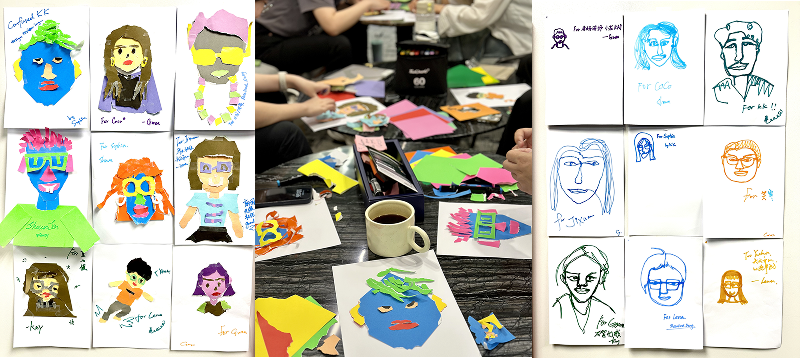
Getting away from the screens and back to making with our hands—because sometimes creativity starts with paper, markers, and a little mess.
Then we could change the system
As the team grew and designers became more comfortable owning product problems, I began working with Product and Engineering on the organizational issues that had created many of the original frustrations:
clearer collaboration and handoff practices
stronger product-design-engineering alignment
career leveling and growth paths
a design system and shared standards
formal user research capability
more evidence-informed product decisions
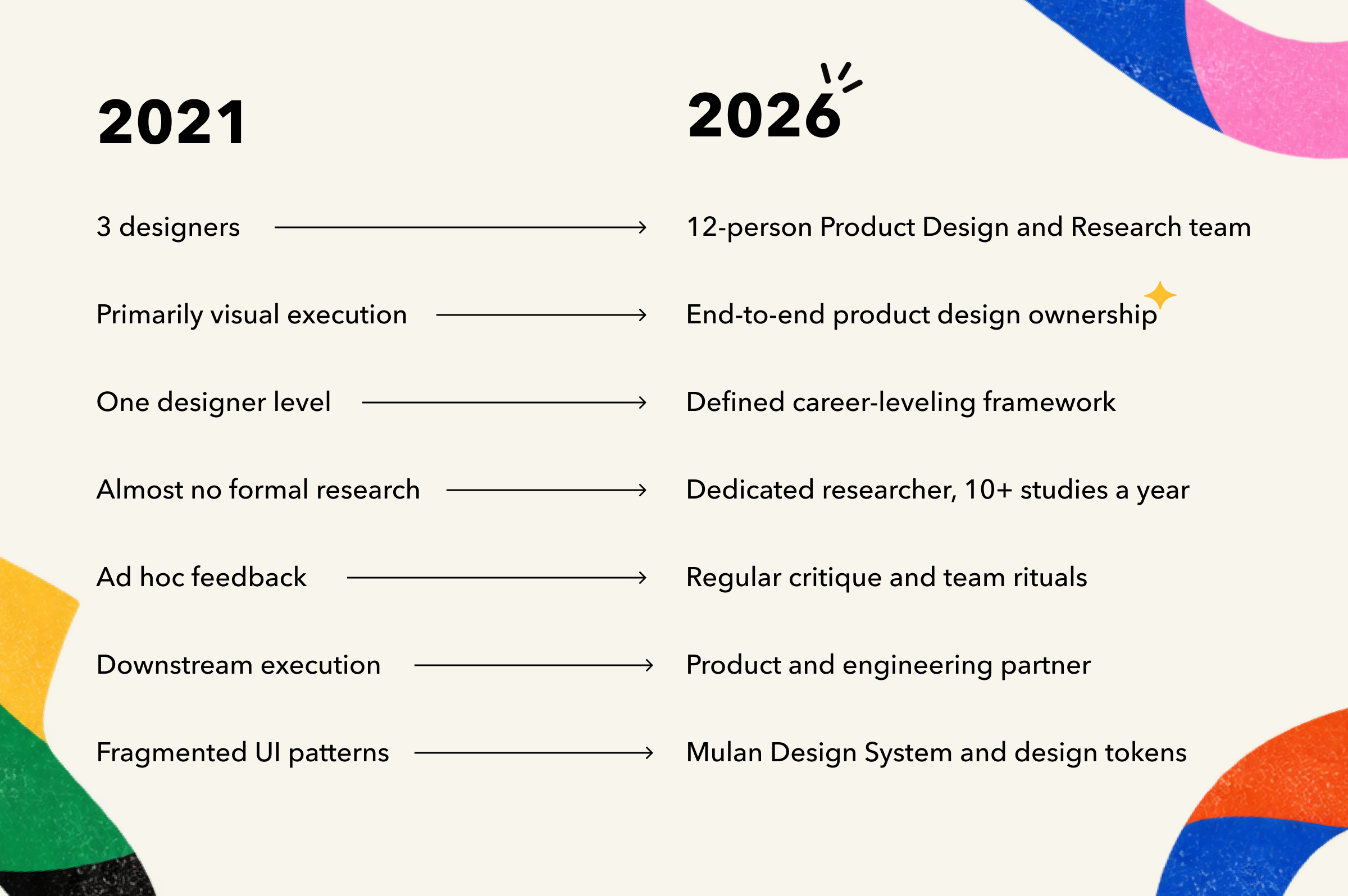
Over the next several years, the original three-person visual design team evolved into a multidisciplinary Product Design & Research organization.
02
Reimagining Shanghai Disney Resort’s Digital Front Door
Product Strategy · Consumer Experience · Business Impact