Building Research From Zero
Research Practice · Organizational Change · Design Leadership
From guerrilla testing to an established research function.
Research has shaped the way I think about design since the beginning of my career.
My first exposure came while earning my master’s degree at the University of Washington, where I learned different research methodologies and conducted studies as part of my coursework. I quickly fell in love with the discipline. I’ve always been curious about why people do what they do — and I loved using interviews, observation, and data to uncover the reasons behind their behavior.
That curiosity eventually led me into product design.
Learning what research can — and cannot — do
At Yahoo, research was already embedded in the product development process.
When I led design for the Global Commerce team, we were working against an aggressive timeline. For six months, we partnered with a UX researcher almost every week:
Design → Research → Iterate → Research → Repeat
That experience taught me more than how to conduct research. It taught me how to work with research — when to use it, how to frame the right questions, how to translate findings into product decisions, and just as importantly, what research cannot answer.
I carried that mindset with me when I joined Shanghai Disney Resort.
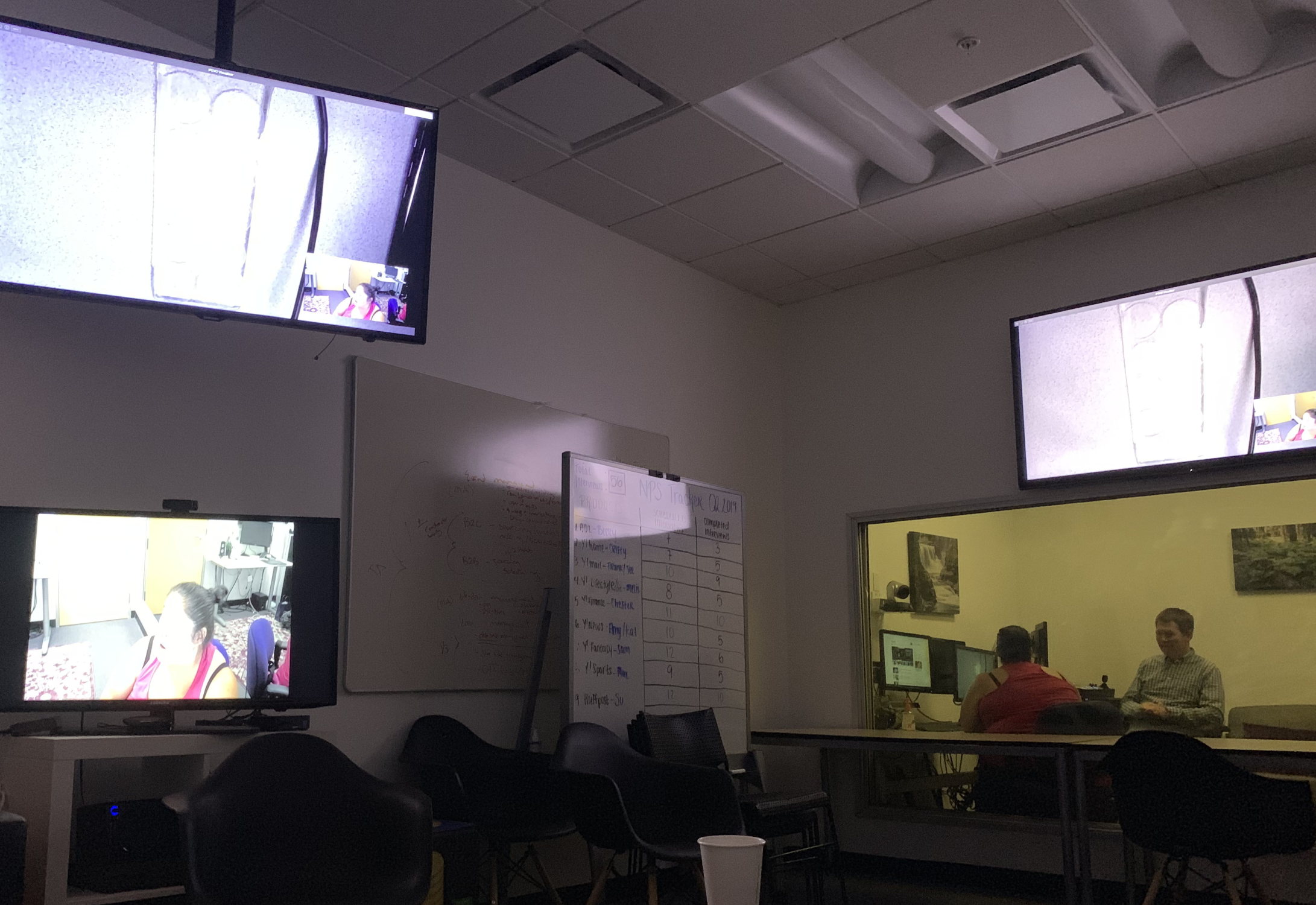
Research has shaped the way I think about design since the beginning of my career.
But there was no research function
When I arrived at Shanghai Disney Resort, there was no dedicated user researcher on our digital product team.
There wasn't an established process for requesting research, recruiting participants, or incorporating research into product development.
But our projects couldn't wait for the perfect process to exist.
So we started small.
Designers conducted internal usability testing ourselves. Sometimes we approached colleagues for quick guerrilla tests. Sometimes we sent surveys and recruited participants for interviews.
It wasn't sophisticated infrastructure.
But it gave us something we hadn't had before: evidence.
Making research visible
We didn't want the findings to live within the design team.
After each study, we shared what we learned with our Product Managers and invited our Engineering partners into the conversation. Research became a way to create shared understanding across disciplines — not simply a tool for designers to validate their work.
Over time, we accumulated enough insights to tell a larger story about our guests and their digital experiences.
We presented those findings to our site president.
The response was overwhelmingly positive.
That became an important turning point: research was no longer something designers were doing on the side. Its value was becoming visible to the organization.
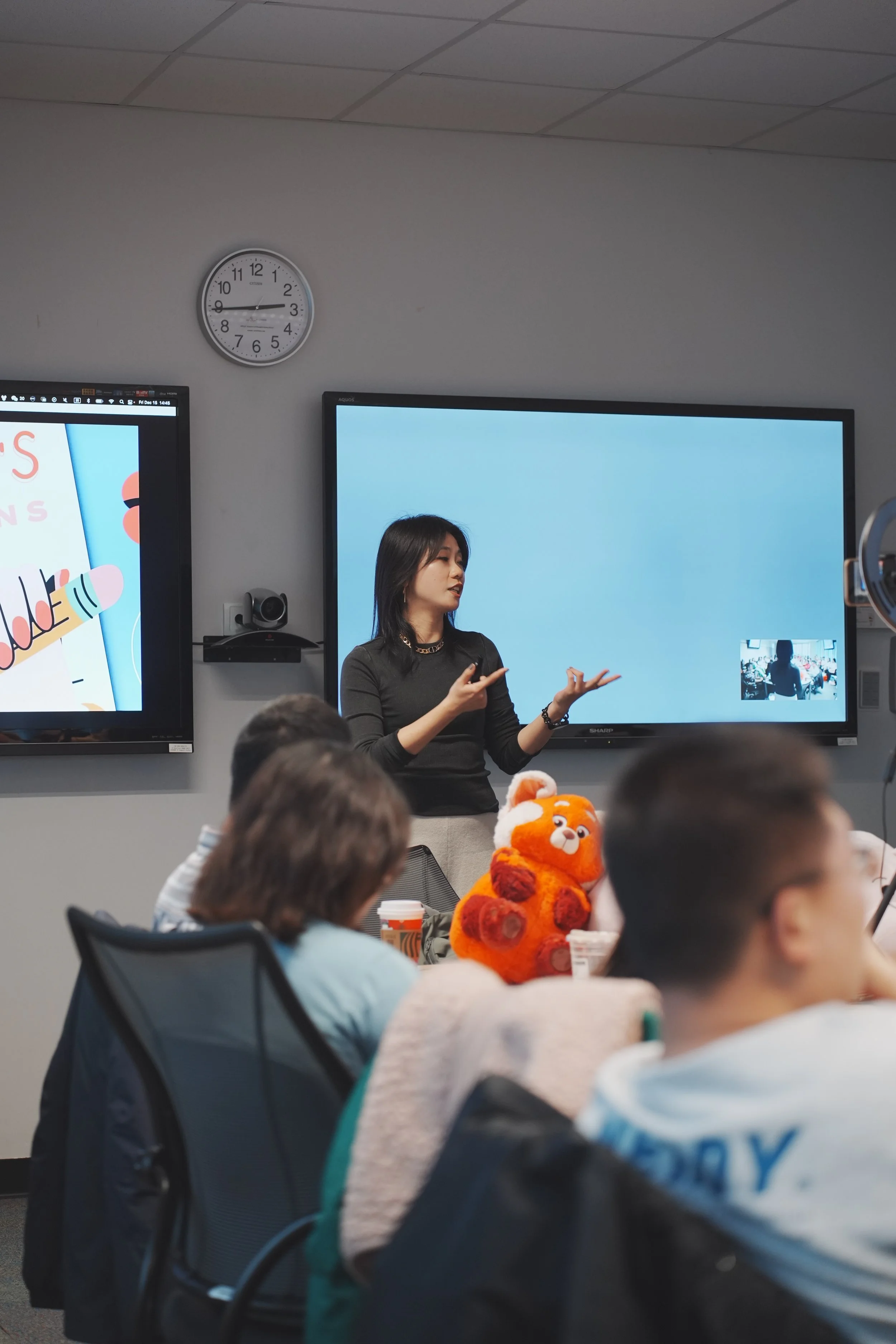
Research evolved from ad-hoc designer testing to a recurring practice supporting every major release.
From experiments to a repeatable process
The next challenge was making research sustainable.
Because most Disney projects are confidential before launch, testing unfinished products with external guests wasn't always possible. We needed a model that worked within those constraints.
We partnered with the Quality team to establish research after product releases, while continuing to use internal Cast Members when pre-launch testing was needed.
Research gradually became a defined step in our product development cycle.
Instead of asking:
“Do we have time to test this?”
we could start asking:
“What do we need to learn?”
Building the capability, not just doing the work
Once research became part of the process, it could no longer depend on designers finding spare time to run studies.
We needed someone dedicated to the craft.
So I hired our first UX researcher.
That hire represented something much bigger than adding another person to the team. We had moved from ad-hoc testing, to a repeatable practice, to an established research capability within the organization.
What started with designers approaching colleagues for guerrilla testing had become part of how we built digital products at Shanghai Disney Resort.
And for me, that's the most meaningful outcome:
I didn't set out to build a research team. I set out to help our teams make better decisions — and research became an essential part of how we did that.
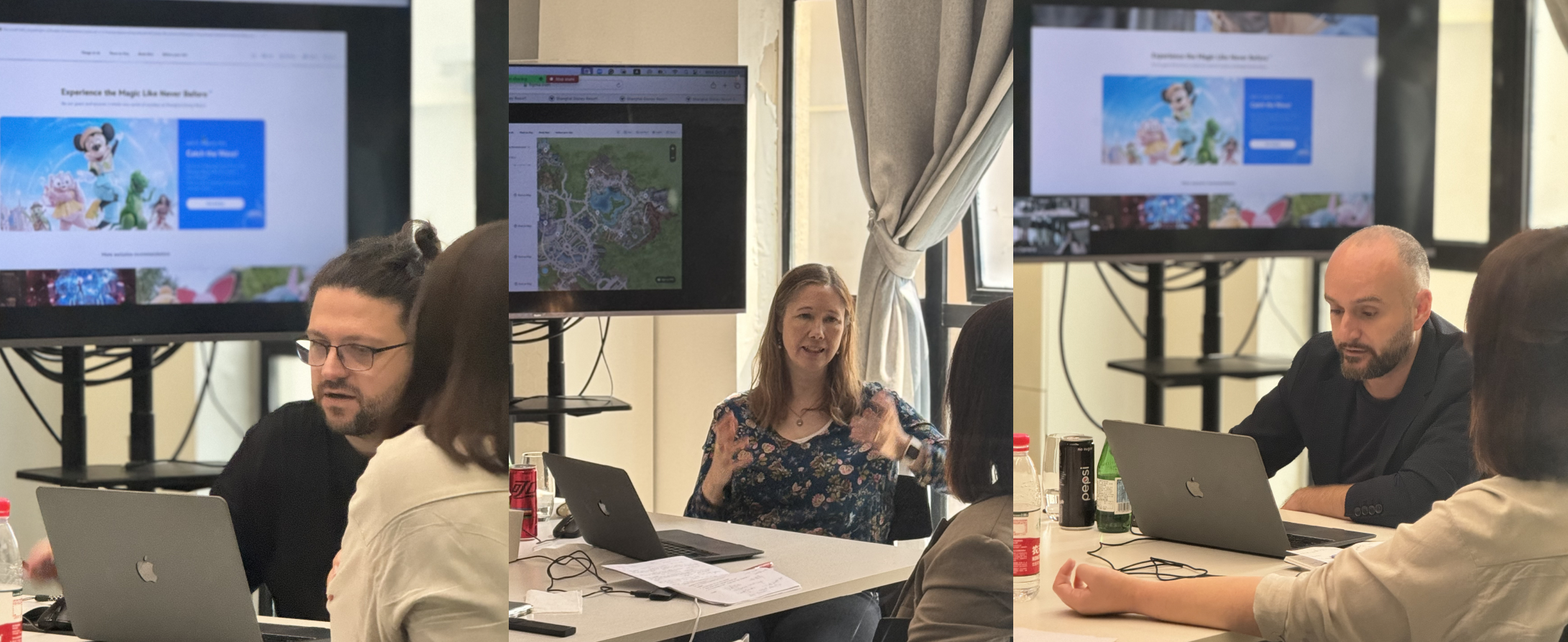
Turning assumptions into evidence through user interviews for the Shanghai Disney Resort website revamp
Built the practice
0 → 1 dedicated researcher
0 → 10+ studies conducted every year
80+ participants engaged
Embedded it into product development
Research became a defined part of the development cycle
Research supported 5 major product initiatives/releases
Design, Product, Engineering + Quality participated in findings
Changed how teams made decisions
Research findings informed product decisions before and after launch
Usability issues were identified before becoming larger product problems
Leadership visibility helped establish organizational support for research